PROJECTS
Mercury Financial
Client:
Mercury Financial
Date:
Aug 24, 2024
Location:
Austin, TX
Service:
Branding, Payments Software Product

Project Overview
Stabilizing a Regulated Fintech Platform Through Governance and Trust Architecture
Mercury was a regulated consumer credit fintech undergoing a full product reimagining, with “non-banky” positioning for near-prime users. During this critical growth phase, the absence of structured UX governance created delivery instability and diluted user trust.
Objective
Stabilize product definition, formalize UX governance, and redesign high-risk payment flows to restore user control and accelerate platform maturity ahead of a merger.
Scope of Work
Platform & Experience Leadership
Led UX across iOS, Android, and Desktop
Redesigned payment, autopay, and split pay flows to increase visible control
System Architecture & Governance
Built cross-platform design system and governance model
Scaled UX team and aligned creative standards across product
Acceleration & Innovation
Partnered with Tata Creative Services to standardize system delivery
Initiated ML-driven behavioral prompt framework
Engaged Projekt202 to conduct parallel feasibility and usability validation, accelerating insight generation while maintaining delivery momentum
Process
UX Governance & Strategic Alignment
Introduced structured UX governance with a defined review cadence and decision checkpoints, reducing rework cycles and aligning cross-functional teams
Trust-Centered Payment Architecture
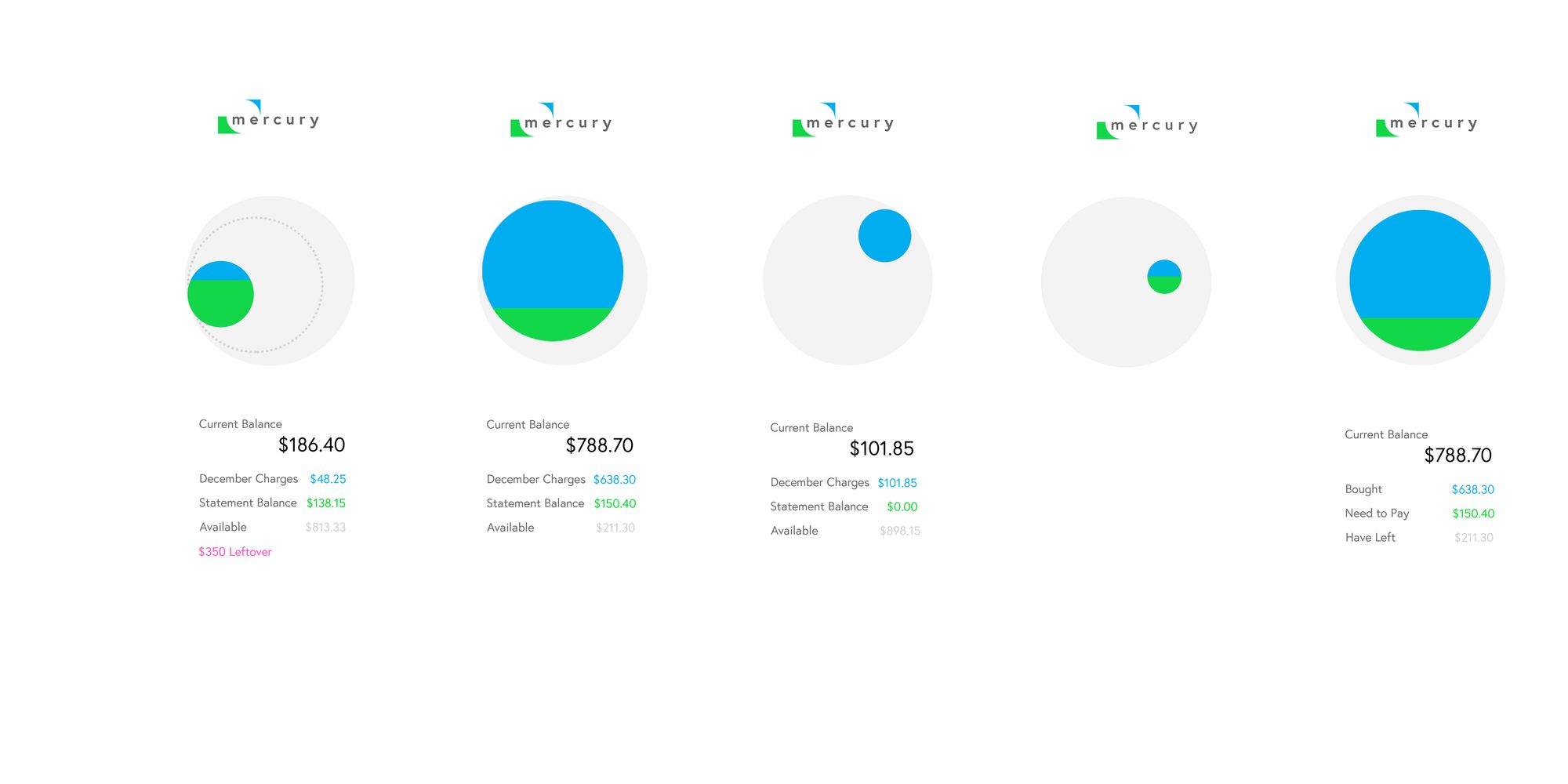
Mapped high-risk payment scenarios (e.g., autopay resistance) and designed visible control mechanisms and transparent transaction states to reduce user apprehension
Cross-Platform System Architecture
Built a unified design system across iOS, Android, and Desktop with formalized component standards and governance, accelerating delivery and consistency
Parallel Validation & Delivery Acceleration
Engaged Projekt202 for simultaneous feasibility and usability validation while partnering with Tata Creative Services to standardize design implementation and recapture momentum
Behavioral Intelligence Integration
Initiated a machine-learning behavioral prompt framework to support contextual credit progression guidance
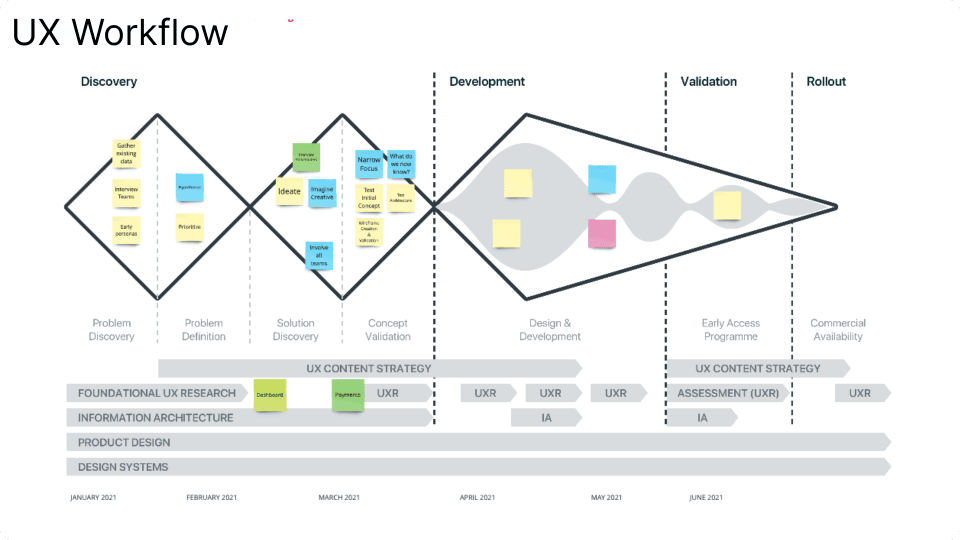
When I walked into the project, we had
a payments app and desktop app
a logo, an infographic, and the idea that we wanted to lift our “near-prime” customers out of credit issues
We had some quantitative research
two credit card customer types: newly acquired customers from another company and original customers, who felt very differently about Mercury
a small team consisting of two designers, a product manager, and an inexperienced creative lead
a very involved CEO
To reach clarity, we:
Formed a hypothesis about our customers through recent attitudinal research that revealed distrust and financial fears about losing control of cash flow
Turned a vague usage pattern into a value proposition and IP that increased transparency
Tested the usability responses to our interface
Applied for a tech patent based on positive testing results
Hired two data scientists to start working with behavioral inflections and planned AI models
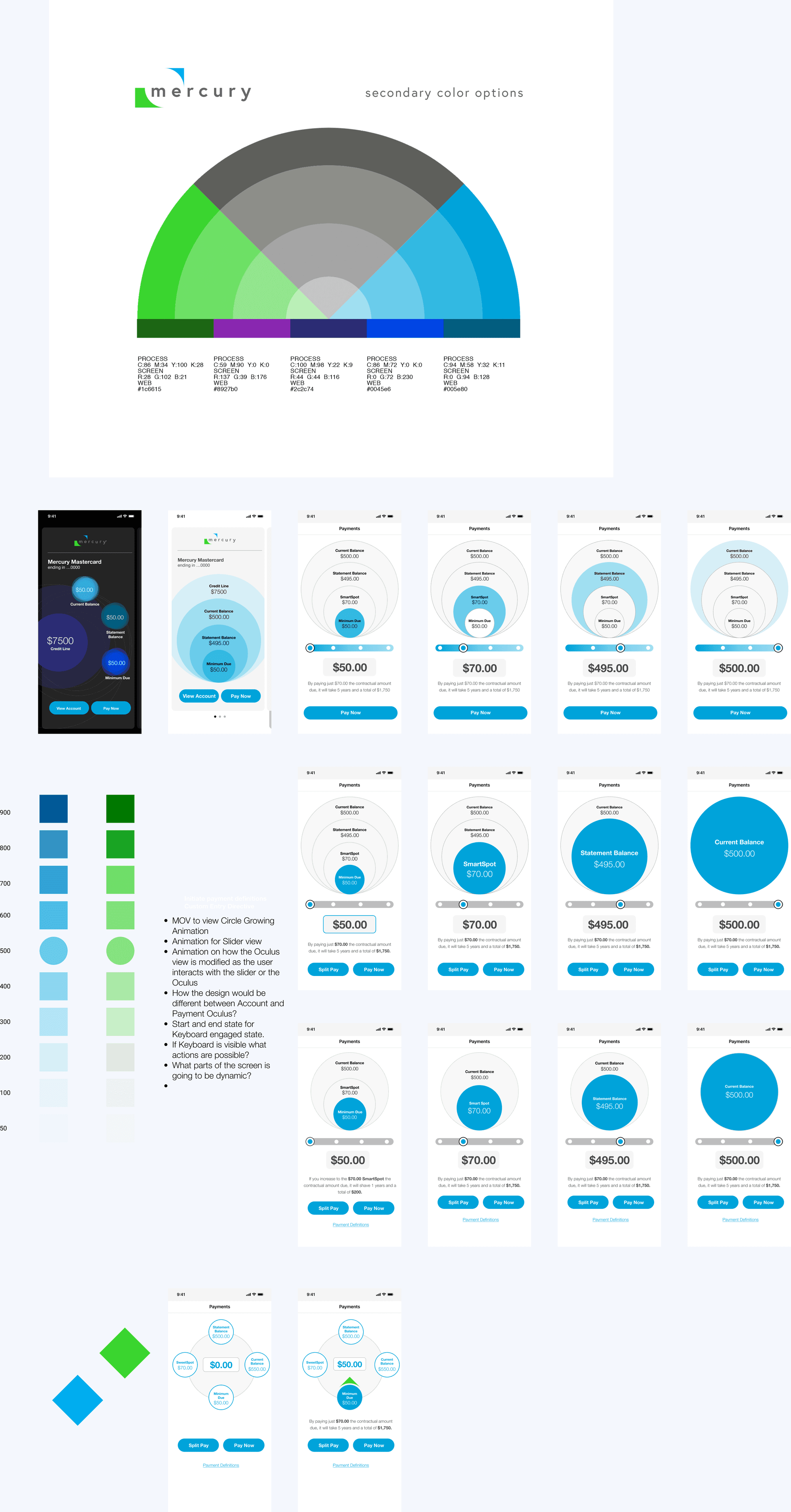
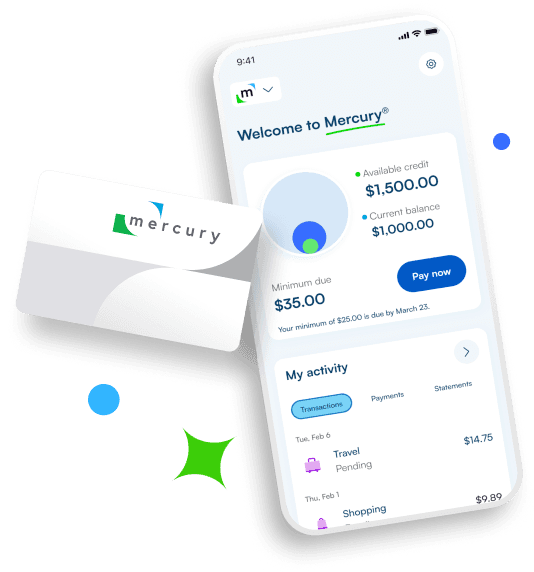
The result of our work was a multi-platform payments app that educated and advised users on their credit card utilization and showed them how their interest charges could change if they paid a little more each month. Overall, users felt we were being honest, and that trust made a difference in our App Store ratings while giving partners more incentive to work with us.
“Patrick turned a fragmented credit experience into a clear, trustworthy journey that increased conversions and strengthened our relationship with customers.”
Outcome
User Impact
Increased App Store rating from 1.0 → 4.9 through improved clarity, control, and trust signaling
Reduced payment-related anxiety by surfacing transaction states and recovery pathways
Strengthened engagement with key features like split pay and onboarding flows
Platform Impact
Delivered unified cross-platform experience across iOS, Android, and Desktop
Established a robust cross-platform design system and governance model
Reduced rework cycles and stabilized product definition ahead of merger
Business Impact
Contributed to platform maturity and acquisition readiness ahead of a $128M merger
Increased internal alignment between product, engineering, and marketing
Elevated brand consistency during a critical growth phase
Intellectual Property & Value Architecture
Collaborated with a 25-time technology patent inventor to formalize the platform’s behavioral credit progression model into a filed patent application
Aligned UX architecture and behavioral design systems with defensible IP strategy
Structured core value proposition around scalable, differentiating interaction patterns
+38%
Application Completion
After restructuring the credit application flow and reducing friction across steps
1.0 → 4.9
App Store Rating
Restored user trust through governance and payment transparency
-30%
Time-to-Activate
Simplified onboarding and clarified verification workflow
$128M Merger
Platform Maturity
Strategic Alignment ahead o f Acquisition
PROJECT